Remarketing vs Retargeting – What’s the Difference?
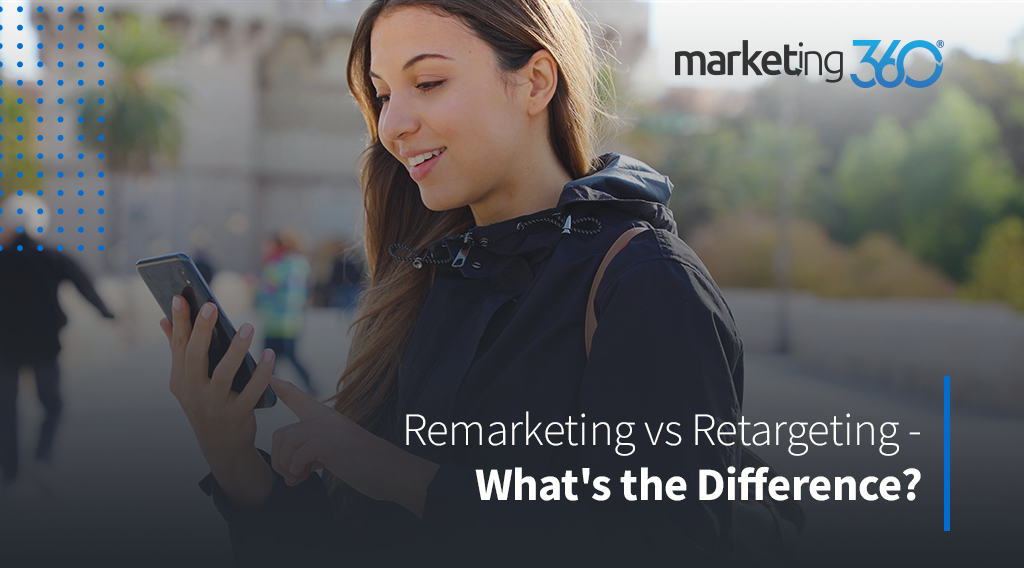
Let’s say you’re shopping online for a new pair of running shoes. You add a pair to your cart but decide to check out later. The next day, you start seeing ads for those exact shoes on Instagram and Facebook. Later, you even get an email from the retailer reminding you to complete your purchase. These strategies aren’t accidental—they’re part of the digital marketing world known as retargeting and remarketing. But what’s the difference between the two and how can each impact your business?
In this article, we’ll dive into the differences between remarketing and retargeting, how each can be effectively used to bring customers back to your site and why understanding the nuances matters for your digital strategy. Whether you’re a small business owner, a digital marketer or just someone curious about online advertising, understanding these tactics can open up new possibilities for your campaigns.
Defining remarketing vs retargeting: It’s all about the customer journey
Both remarketing and retargeting have a common goal: to re-engage potential customers who’ve shown an interest in your products or services. However, the strategies differ in approach.
Remarketing typically involves email outreach, aiming to bring users back by sending reminders, updates or offers based on their previous actions on your site. It’s common to see remarketing efforts for abandoned carts or personalized product recommendations. This strategy works well in re-engaging customers who may have considered purchasing but need a final nudge.
Retargeting, on the other hand, generally refers to displaying ads to users who have visited your website but didn’t complete a desired action. If you’ve ever seen ads for a product you viewed on a site but didn’t buy, that’s retargeting in action. These ads show up across various sites and social media platforms as you browse the web, encouraging you to return and complete your purchase. Retargeting uses cookie-based technology to track site visitors and display ads based on the pages they viewed.
So while remarketing leans toward email and directly reaching out to users, retargeting uses ads to engage users across platforms.
How retargeting works – Following the digital trail
Think of retargeting as a gentle reminder to potential customers. Here’s how it usually works:
Tracking the visit: When someone visits your site, a small piece of code (often called a pixel) is placed on their browser. This pixel tracks their activity, from pages visited to products viewed.
Building an audience: Once the pixel is set, it captures users who have shown some interest but left without converting. This group becomes your “audience” for retargeting ads.
Serving tailored ads: Based on their actions, you can then serve these visitors relevant ads on social media platforms, search engines or other sites they browse.
Imagine running a boutique selling custom phone cases. A potential customer spends five minutes on your site, looking at various cases but doesn’t make a purchase. With retargeting, you can show this person ads for those specific cases or offer a discount to sway them to return.
For digital marketers, retargeting is a powerful tool for top-of-mind awareness, keeping your products visible to those who’ve already shown interest. Platforms like Google Ads and Facebook Ads provide robust retargeting options, allowing for audience segmentation and tailored ad delivery based on user behavior.
How remarketing works: Direct outreach with a purpose
Remarketing, on the other hand, takes a more personalized approach. It’s often used through email marketing, reaching out to customers based on their previous actions on your site. The idea here is to engage a customer who has shown interest and nudge them back to your site with reminders, offers or exclusive updates.
Remarketing can take various forms:
Abandoned cart emails: Reminders to customers who have left items in their cart but didn’t complete the purchase.
Personalized product recommendations: Offering suggestions based on their past purchases or browsing behavior.
Exclusive offers or discounts: Incentives to encourage a return visit, such as “15% off your next purchase.”
For instance, let’s say you run an online home decor shop. A customer browses your site, adds a couple of items to their cart, but then exits without purchasing. Through remarketing, you could send them an email within 24 hours, showcasing the items left in their cart, along with a limited-time discount. This direct approach gives them a reason to come back and complete their purchase.
Benefits of retargeting and remarketing: maximizing ROI
Both strategies offer clear advantages, but they serve different aspects of the customer journey. Here’s a closer look at their benefits.
Retargeting benefits:
- Increased brand visibility: Retargeting ads keep your brand in front of potential customers, making it more likely that they’ll remember and revisit.
- Personalized ad experiences: With retargeting, you can customize ads to match the interests of your audience, which often results in higher engagement.
- Cost efficiency: By targeting users already interested in your product, retargeting often leads to better ROI compared to broad-targeted ads.
Remarketing benefits:
- Direct, personalized outreach: Remarketing emails can be highly personalized, increasing the chances of conversion.
- Improved engagement: Email allows for a more direct line of communication, making it easy to offer additional incentives like discounts.
- Effective for specific actions: Remarketing is great for targeting users who were close to converting but may need an extra push.
Using both approaches strategically can create a comprehensive re-engagement strategy. Retargeting captures attention across platforms, while remarketing adds a personal touch, often at critical moments in the decision-making process.
When to use retargeting vs remarketing – Choosing the right tool for the job
Understanding when to use retargeting or remarketing can be the difference between a customer returning or not. Here are some examples:
Retargeting for early-stage interest: If a visitor explored your website briefly but didn’t perform any major actions, retargeting ads can bring them back by keeping your brand visible. This approach works well for increasing top-of-mind awareness and is ideal for users in the early stages of their journey.
Remarketing for higher intent: For users who have shown a deeper level of interest, such as adding items to a cart, signing up for a newsletter or spending significant time on a page, remarketing is often more effective. You already have their contact info, so a gentle reminder, possibly with an offer, can be the last nudge they need.
Let’s say you operate an online pet supply store. A visitor viewed multiple pages, signed up for your newsletter, but didn’t buy anything. A remarketing email offering a 10% discount on pet supplies might push them to take the final step. But if they had only visited the homepage and bounced, retargeting ads featuring popular products could be the better approach.
Combining retargeting and remarketing for a full-funnel strategy
An effective marketing strategy often blends both remarketing and retargeting. The combination allows you to keep potential customers engaged at every stage of their journey.
For example, if a visitor lands on your site and leaves, start with retargeting ads to maintain their interest. If they engage further, perhaps by adding items to their cart, follow up with remarketing emails. By covering both bases, you increase the chances of converting users who are on the fence.
Many companies leverage retargeting and remarketing together to build a “full-funnel” strategy. This approach ensures that no opportunity is missed, keeping prospects engaged at every stage, from first-time visitors to those on the verge of converting.
The power of digital marketing today is in its ability to customize user experiences. By thoughtfully integrating both retargeting and remarketing, you’ll be ready to create a seamless, compelling journey that brings customers back, whether they’re just browsing or almost ready to buy.
Ready to turn missed opportunities into conversions? Start leveraging remarketing and retargeting to re-engage your audience and drive results today. Learn more and sign up for your free trial.