SEO & Social Media Marketing – Marketing 360® Reviews
What’s happening when you engage in social media marketing? Are you reaching leads directly or just juicing-up your SEO? Here are some analogies to help you visualize what’s happening.
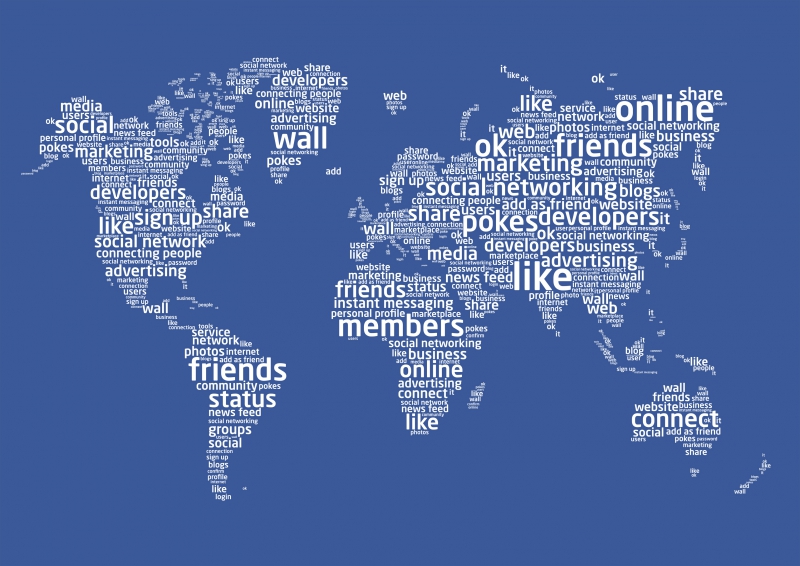
Most businesses engage in social media marketing because they want to generate leads. But what’s really happening? Who are you reaching on these “social” platforms? What is the impact on your lead generation?
While it depends on your business, most SMBs report low conversion rates directly from social media. The reasons are illustrated by four analogies comparing the most used social media platforms with non-digital marketing channels.
Facebook is like a big neighborhood BBQ. There is an opportunity to meet and contact lots of people, but most of them are not viable leads for your business. It’s easy to move around and strike-up conversations, but people are not there because they want to hear your sales-pitch. They want to socialize.
Most conversations are about personal topics, with a lot of commentary on society, politics, and even philosophy. You’ll also learn about their kids, what they ate for breakfast, and how desperate they are for a Margarita on Friday afternoon. You can slip your sales message in and talk about what you do, but this is not a place for direct response marketing. From a business perspective you can get some attention at a social gathering, but you can’t laser target you sales pitch or expect to reach a lot of people ready to engage or purchase.
LinkedIn is like a Chamber of Commerce after hours event. It’s a great opportunity to network and share business info – and at first it seems like a great place to generate leads. The problem is that as you circulate, you realize that everyone is there for the same reason: to talk about their business and sell their offering. Most of the direct contact you’re making is with other salespeople and marketers. Again, you find that most of the time you’re not doing direct response with your main target audience of consumers or decision makers.
Twitter is like attending a huge convention. You can float around and meet a lot of people. The information you give and get depends on who you follow and who follows you. You’re having short conversations and attending short presentations from a huge variety of people. You can learn a lot, but like LinkedIn, you often get the feeling that you’re mainly dealing with others who are there because they have a marketing agenda of their own. Like conversations in a noisy room, you get tidbits of info with fleeting attention.
Search Marketing (SEO and SEM)
These are not social media channels but offer another important analogy. Online search on Google – with lead-generation targets – is like the Yellow Pages (or what the Yellow Pages used to be). In this case, you are targeting people who have an active need and went online to search for a solution. There is a lot of opportunity for informational (SEO) and direct response advertising (PPC), and as you draw trafffic to your website content, you are trying to convert it into new leads and business. For lead-generation, online search remains the hot zone. This is where leads are present, actively looking for a business solution.
The Impact of Awareness
When you consider these analogies, you realize that social media marketing is mainly about creating and maintaining awareness. You’re spreading the word to as many people as you can reach, hoping you end-up in a conversation with someone who can use your help.
Also, social media platforms like Facebook are increasingly a drip-campaign. With remarketing ads, you can target advertisements to people who’ve previously visited your website. They’ve identified themselves as a lead. Your ads become a soft touch that maintains awareness and draws them back into your conversion funnel.
Search marketing (both SEO and PPC ads) are inbound marketing. The searcher shows intent with their search query. They are giving you permission to present your marketing material to them, and in many cases are deep into the buying cycle. Social media is still not in the same league as search marketing when it comes to lead-generation.
SEO Impact
But there is an important catch. Currently, one of the big factors that influences your organic (SEO) ranking is markers from social media activity. In other words, Google measures the engagement you get from social media channels and uses that data to determine the relevancy and authority of your content. Strong social media engagement suggests to the search algorithm that your content is useful for people – and that’s the content they want to rank.
Your business can engage in social media marketing for two reasons: to increase awareness of your offerings and to support your organic search rankings/traffic. From a lead-generation perspective, you’ll probably do far better from the SEO traffic. However, Google feels if you’re active and useful at the Chamber of Commerce event, it shows you’ll be useful to people doing searches.
The bottom line is that even if you’re not looking to create awareness and drive leads on social media because of low conversion rates, you’ll still need to do it if you have a serious SEO campaign.