It’s Not a Room, It’s Peace of Mind: A Guide to Empathetic Assisted Living Ads
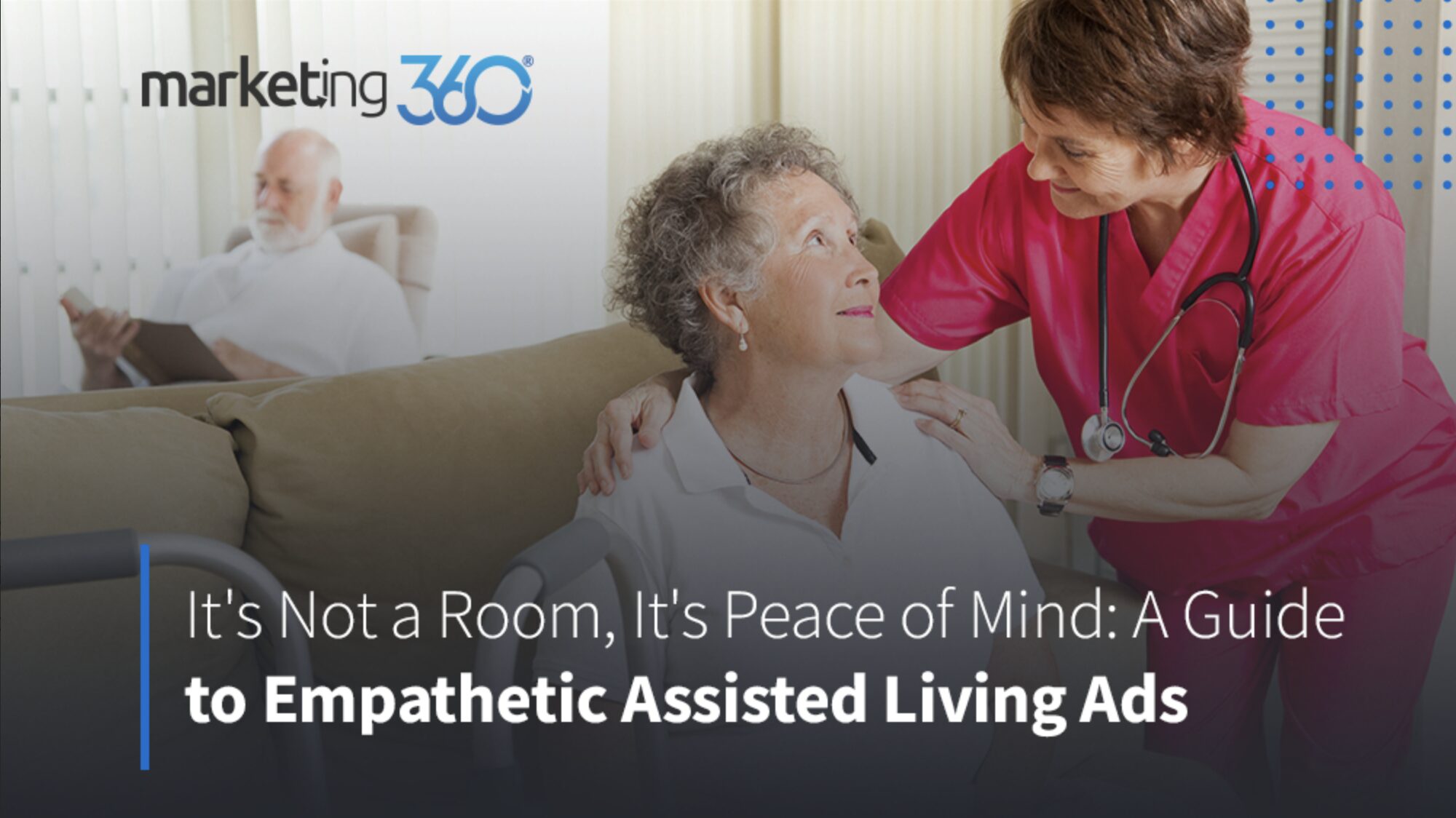 Susan, a 55-year-old teacher here in Fort Collins, is having a difficult week. Her 82-year-old father, Robert, who has proudly lived on his own for years, had a bad fall. He’s okay, but the incident was a wake-up call. With a heavy heart, Susan knows it’s time to start looking for assisted living communities.
So, like millions of others in her position, she turns to Google. She types “assisted living near me” and holds her breath.
What she sees is a jarring mix of ads. Some are cold and clinical, with headlines like “Senior Apartments Available.” Others are vague, showing stock photos of smiling seniors who look like they’re on a permanent cruise. She feels overwhelmed, guilty and completely lost. This isn’t like shopping for a car or planning a vacation. This is a deeply emotional decision about her father’s safety, dignity and future happiness.
For assisted living and senior care communities, this is the critical moment of truth. The ads that succeed are not the ones that sell a room; they are the ones that understand Susan’s mindset and offer a helping hand. This is a guide to crafting digital ads that cut through the noise, build immediate trust and connect with families like Susan’s in a meaningful and compassionate way.
Understanding your true audience: The worried daughter, not the resident
While the senior resident is your future “user,” your primary marketing audience is almost always their adult child, most often a daughter between the ages of 45 and 65. This is Susan. She’s part of the “sandwich generation,” often caught between the responsibilities of her own family, her career and the increasing needs of her aging parents.
Her journey is defined by a complex mix of emotions. She’s looking for a solution, but she’s also grappling with guilt, stress and a profound sense of responsibility. As research from organizations like AARP consistently shows, family caregivers face significant emotional and financial strain.
What does this mean for your advertising? It means your message must be tuned to a frequency of empathy and reassurance. Your ads aren’t talking to a consumer looking for a product; they are talking to a family member looking for a trusted partner.
The anatomy of an empathetic assisted living ad
An effective ad for senior living is built on a foundation of trust. Every element—from the headline to the photo—must work together to convey compassion, professionalism and community.
The headline: Lead with a solution, not a feature. A headline is your first handshake. It should immediately address the searcher’s emotional need.
- Instead of: “Assisted Living Suites Open.”
- Try: “Compassionate Senior Care in Fort Collins” or “Peace of Mind for Your Family.”
The ad copy: Use reassuring, human language. Avoid cold, institutional language. Your copy should paint a picture of life and dignity, not just list amenities.
- Instead of: “24-hour skilled nursing, meal plans and furnished rooms.”
- Try: “Our residents enjoy a vibrant community with chef-prepared meals, engaging daily activities and the security of 24/7 compassionate support.”
The imagery: Show connection, not just facilities. A photo of an empty, perfectly made bed in a sterile room feels lonely. Your images need to show life.
- Use photos of real residents (with their permission, of course) laughing together during a card game.
- Show a caring staff member sharing a warm moment with a resident.
- Highlight the community aspect—a group enjoying a sunny day in the garden or participating in an art class.
The call to action (CTA): Offer help, not a hard sell. The person seeing your ad is likely not ready to “Book Now!” That’s too much pressure. Your CTA should be a gentle, low-commitment next step.
- Instead of: “Apply Online!”
- Try: “Download a Free Guide to Choosing Care,” “Schedule a Private, No-Pressure Tour,” or “Talk to a Friendly Care Advisor.”
The right channels to connect with families
You need to be present where families are actively searching and where they spend their time.
- Google Ads (Search): This is for capturing high-intent families like Susan who are actively searching for solutions. Your campaigns should target keywords like “assisted living near me,” “memory care Fort Collins,” or “help for aging parents.”
- Facebook Ads (Social): This allows you to connect with the adult-child demographic before they even start searching. You can target users by age (45-65), location and interests that suggest they may be in a caregiving role. Here, your ads can be more story-driven, perhaps featuring a video testimonial from a family who went through the same journey.
- Your Google Business Profile: This is often the first, most detailed impression a family will have of your community. It must be meticulously managed with up-to-date information, high-quality photos of real people and a robust section of recent, positive reviews.
The crucial next step: A landing page built on trust
A great, empathetic ad is completely wasted if it clicks through to a cold, confusing or clinical website. The landing page must continue the warm, reassuring conversation you started in the ad. It should feature clear information about your levels of care, authentic photos of your community in action and prominent testimonials from other families. And, critically, any forms that collect sensitive information must be secure and HIPAA compliant, signaling to visitors that you take their privacy and security seriously.
The Marketing 360 approach: An integrated strategy for compassionate growth
Marketing in the senior living space requires a uniquely sensitive and integrated approach. At Marketing 360, we understand that you’re not just selling a service; you’re providing a solution during a family’s most vulnerable time.
Our platform and teams work together to build a compassionate, cohesive strategy.
- We can manage empathetic ad campaigns across Google and Facebook, ensuring your message of care and community is consistent everywhere.
- Our Reputation Management software helps you gather and showcase the powerful family testimonials that are essential for building trust.
- Our Websites and CRM platform ensures that from the first ad click to the final tour request, the family’s journey is seamless, professional and secure. This demonstrates your organization’s competence and compassion from the very first interaction.
Marketing for assisted living isn’t about transactions; it’s about helping families through one of life’s most difficult transitions. The ads that truly work are the ones that lead with the heart, offering a helping hand and the promise of peace of mind.
Ready to connect with families in your community with a marketing strategy built on trust and compassion? It’s time to tell your story effectively. Get started today.