It’s Not Business, It’s Personal
This is a quote from the great Seth Godin, a man of business ethics if ever there was one.
For fans of gangster movies, it’s reminiscent (through contrary) to the chilling statement made by Michel Corleone in The Godfather as he rises to power:
It’s strictly business.
Few would want to do business with Michel Corleone, though it’s easy to admire his cold confidence. And in the end, his “strictly business” attitude destroys his personal life.
But as Seth points out, everyone who is in business has a fiduciary responsibility to turn a profit, otherwise the business won’t be around long-enough to enhance anyone’s personal life:
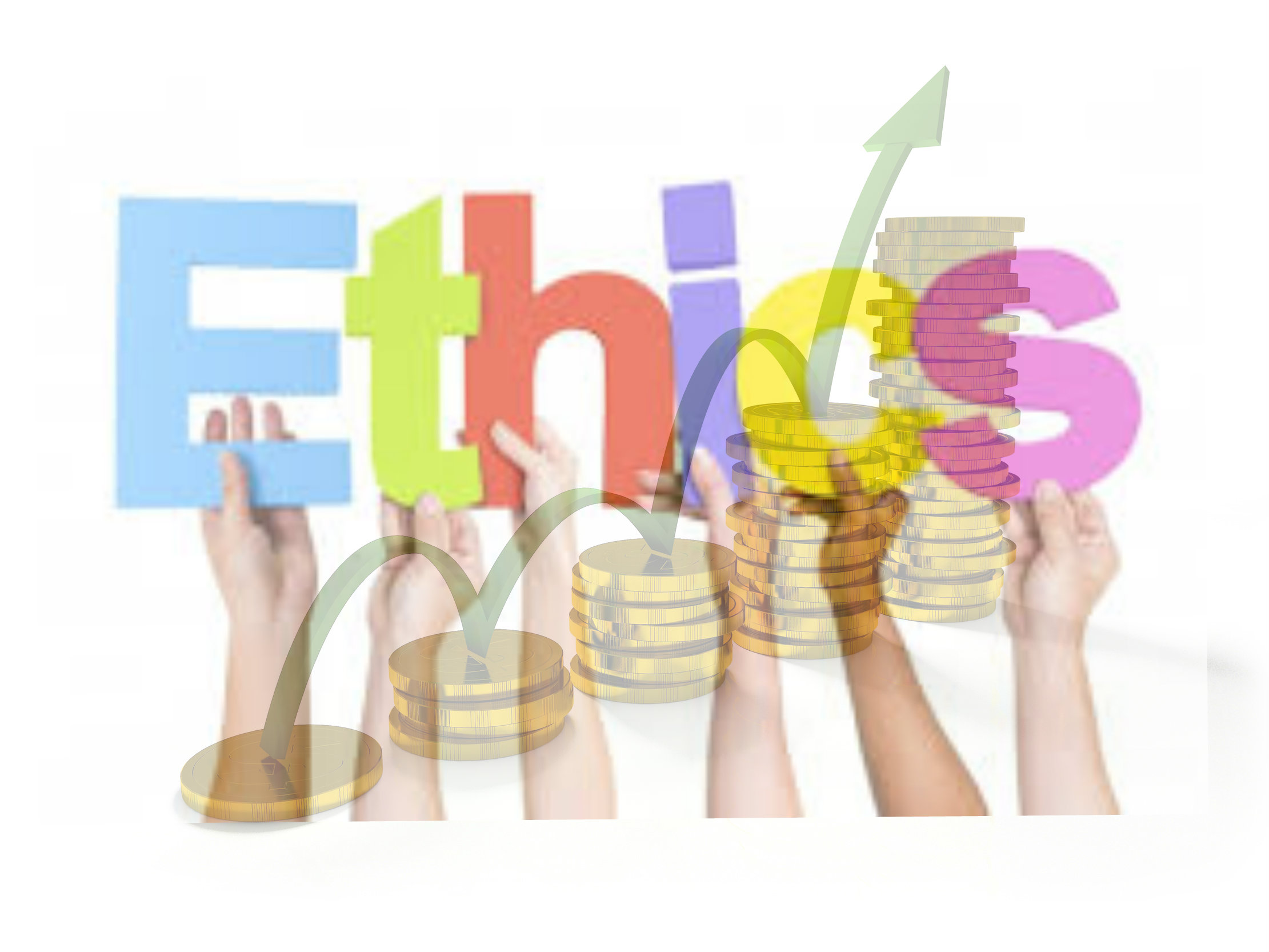
The happy theory of business ethics is this: do the right thing and you will also maximize your long-term profit.
After all, the thinking goes, doing the right thing builds your brand, burnishes your reputation, helps you attract better staff and gives back to the community, the very community that will in turn buy from you. Do all of that and of course you’ll make more money. Problem solved.
The unhappy theory of business ethics is this: you have a fiduciary responsibility to maximize profit. Period. To do anything other than that is to cheat your investors. And in a competitive world, you don’t have much wiggle room here.
Often, even in the SMB business world, the level of competition can feel bloodthirsty. We are faced with the “unhappy theory” that long-term profit goals derived from ethical behavior do little good if you’re out of business before the long-term arrives.
It’s a quandary, but ultimately one with some clear direction.
First, as focused and confident as Corleone is, he’s also a criminal. His immorality undermines his authority.
But this doesn’t remove his validity as a model. Few of us walk a line of ethical purity, and the need to turn a profit to keep an “ethical” company in business becomes a Catch-22.
Still Seth boils it down to a clear choice: “You either do work you are proud of, or you work to make the maximum amount of money.”
Life, ever throwing us a curve ball, makes it rare that those two things consistently overlap.
But a deeper message about business practice – particularly in the digital age – underlies this quandary.
If you want to make the maximum amount of money – in the long term – you must do work you’re proud of.
Moreover, you must develop an offering customers are proud to buy into. Today, with consumers empowered by the internet, their advocacy is an important part of your brand image and marketing message. If customers don’t trust you and feel proud to have done business with you, you greatly decrease your chances for long-term success.
Of course, if you’re out to maximize short-term profit – at a cost to those you work with – you walk a precarious ethical line. Maybe you’ll answer for it (like Corleone or Madoff). Maybe you can live with it. It’s up to the face you see in mirror.
Seth suggests that it boils down to people – it’s personal. “Business is too powerful for us to leave our humanity at the door of the office.”
One thing is certain. If you want to build long-term success in your business life, you can’t run or work for a business that closes the door on personal ethics to maximize short-term gains. It’s a sell-out that will catch-up to you.
Seth also maintains that there is no greater brand killer than making people feel stupid for their decision to work with you…The Godfather’s business partners certainly regretted their decision to work with him…
The work you do is not just a reflection of yourself, it also becomes the perception consumers have of you. Long-term profitability and doing the right thing are more aligned than ever, which is the happy ending no gangster story ever achieves.