Tips on Understanding and Matching User Search Intent to Improve SEO
Google continues to strive towards providing the very best content to match searcher intent. Here are some tips on that will help you target keywords based on intent and use them to develop a content strategy.
Use Google Auto Suggest and Related Searches
These two features are ways in which Google helps people expand on their search query to find the specific information.
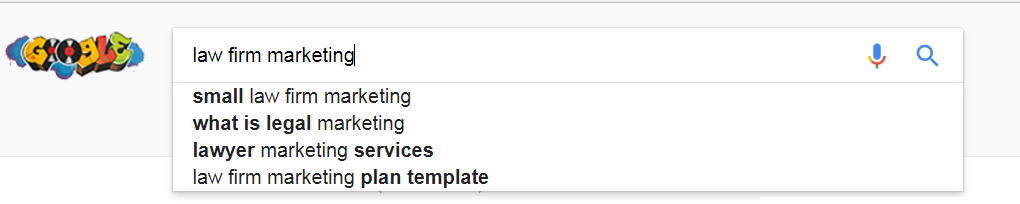
Auto suggest appears when you hover over the search bar:
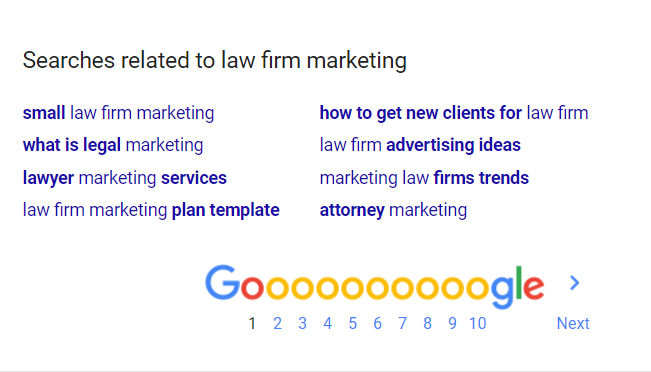
Related search appears at the bottom of the search results page:
The Searcher’s Journey
The key here is knowing how Google makes these keyword suggestions. It isn’t just the algorithm adding terms it thinks are semantically related.
These keywords suggestions are actually the most common follow-up searches people do when they are trying to refine their results.
For example, an attorney that needs a marketing solution starts out searching for “law firm marketing”.
He checks a few links from those results but isn’t satisfied. Most of the solutions seem to be too much for his small firm.
So he refines his search for “small law firm marketing”.
This represents a significant refinement and clarification of intent. A marketing firm specializing in small law firms could create content to rank specifically for this query.
Discovering the Range of Intent
Because these keyword suggestions are based on successive searches people do as they refine their query, they are an excellent window into the range of intent people tend to have around the concept.
For example, the query “small law firm marketing” suggests more of an intent to find a marketing service that specializes in working with smaller firms. This is a transactional search. This content can legitimately have calls to action and promotional material because it matches the intent of the search.
On the other hand, “how to get new clients for law firm” or “law firm advertising ideas” show more informational seeking intent.
Today, it is vital that the content you create match – with precision – the intent of the search. For the most part, you can break these up into transactional and informational searches.
This is because it is now all but impossible to rank a transactional page for an informational search query. Even if you have many other factors that influence SEO, including quality content, domain authority, and strong backlinks, Google will not want to rank a transactional page when it sees the searcher is refining for informational intent.
The CRO vs SEO Dilemma
A dispute can arise when the process of matching searcher intent, ranking organically, and conversion rate optimization (CRO) are all considered.
You want to be able to rank organically for important queries, but the long held business practice is to lace informational content with CRO elements, including a call to action.
Today, you want to do this with care. If Google deems that transactional content is over-riding the quality of information you’re presenting, your page may not rank no matter what else you do.
A better tactic now is to use informational content as in introductory value add to your business. Present the best advice, answers, and data possible for the informational searches you want to rank for. Create the content as free value where you’re not trying to drive any other action. Just earn their trust.
Then, use remarketing drip campaigns to nudge them further into your sales funnel. As these searches show, most people go through a thought sequence as they research and shop for products and solutions. This sequence varies from informational to transactional.
Eventually, if your remarketing and social media branding efforts are strong, you can get navigational searches where the user searches for your business by name.
Navigational searches are where you want the sequence to finish. When someone is looking you up by name, it shows the highest level of hiring or buying intent.